
Science Labs
Explore all new hands-on experiences
Back to K–12 Group Tours and Field Trips
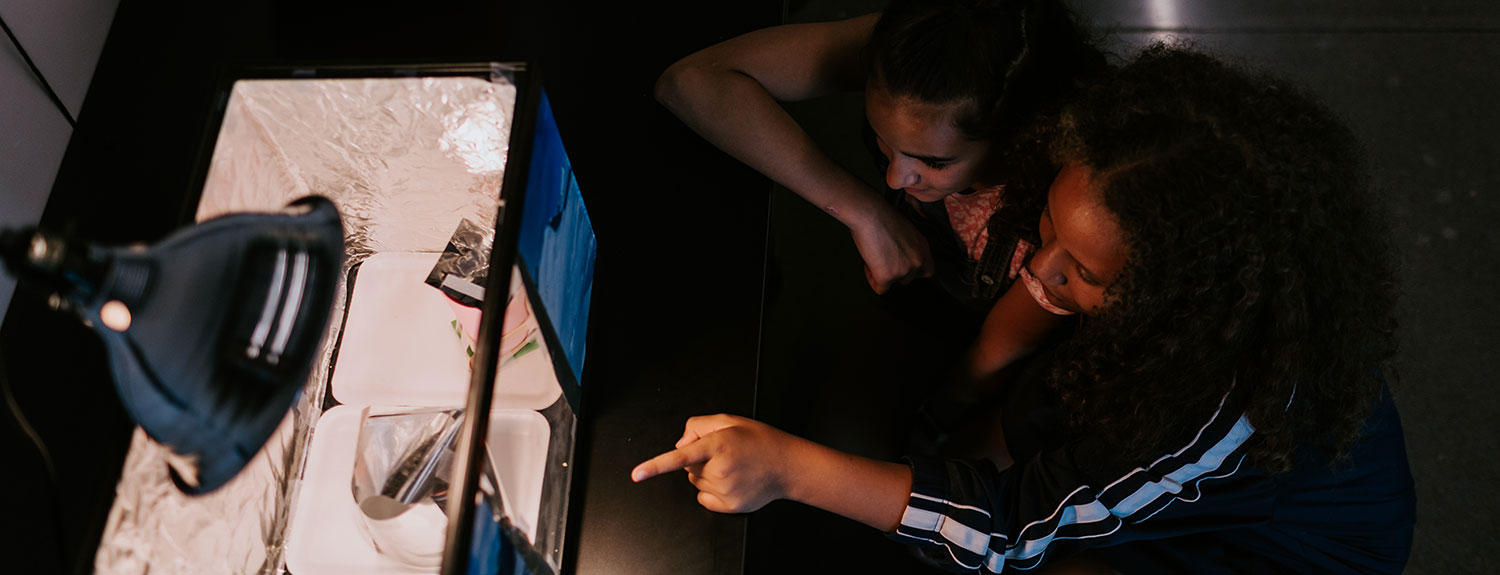
The Bell Museum’s hands-on science labs are interactive, inquiry-based, science-learning experiences for school groups. Each lab is designed for the specific grade level and supports many of the Minnesota state science standards.
Lab content spans astronomy, Earth science, life science, physical science, engineering practice, and the arts with offerings for kindergarten through middle school. Labs are approximately 45 minutes in length.
Labs are approximately 45 minutes in length.
Grades K–1
 Compare, Connect, Create
Students will apply the scientific method and use their observations about living and non-living things as they work together. They will use those comparing skills to connect the “classes of animals” to create their own diorama. This lab also explores the concepts of vertebrates versus invertebrates and gives students a chance to meet live animals from our Touch & See Lab.
Life Science Earth and space science Physical science
0L.1.2.1.2 0P.2.1.1.1 0L.2.1.1.3 0L.3.1.1.1
1L.1.1.1.1 1L.3.1.1.1 1L.3.2.2.2 1E.4.1.1.1
Grades 2-3
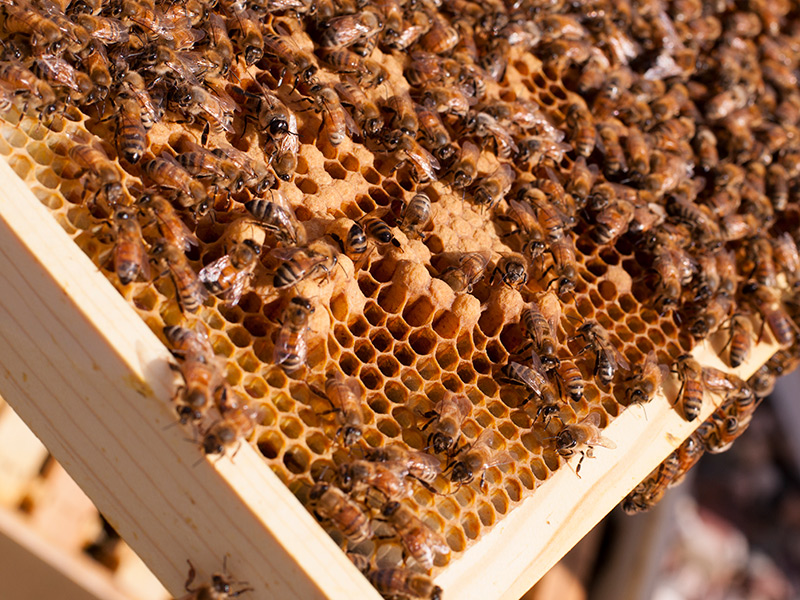 Honey Bees, Pollination & Plants
Learn about the process of pollination by dissecting flowers and investigating the diverse range of pollinators that participate in the process. Students will explore the concepts of pollination by making and simulating bee and flower models.
Life Science
2L.3.2.2.1 2L.4.1.1.1
3L.3.2.1.1 3L.3.2.1.1 3L.4.1.1.1 3L.4.2.1.1
Grades 2-3
 Mission to Mars
Using real data from NASA, students will learn how rovers navigate Mars and what information they have collected so far. After making observations and exploring details about Martian terrain and atmosphere, students will use design and test a “rover” using educational robots.
Earth and Space Science Physical Science
2P.1.1.1.1 2P.2.2.1.1
3E.2.1.1.1
Grades 4-6
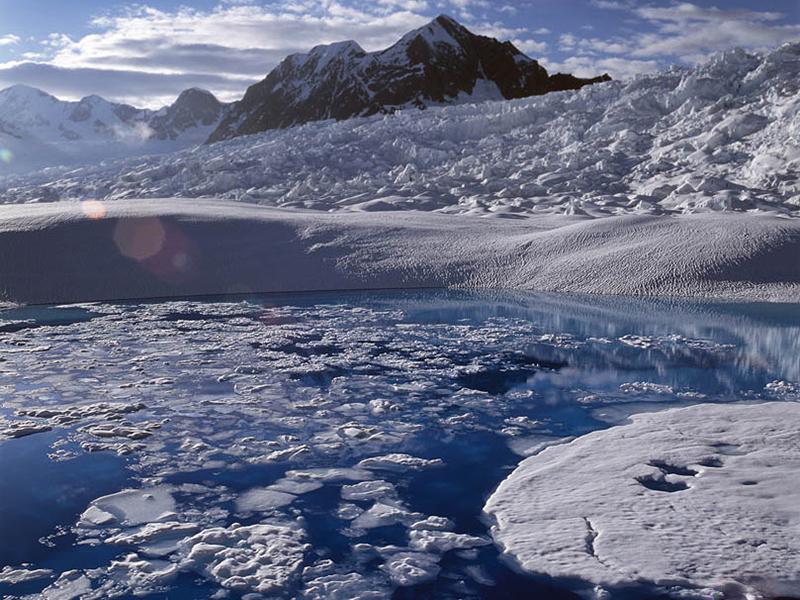 Climate Change Solutions
Learn about climate change and ways researchers are working to reduce the negative impacts that increasing greenhouse gases have on the environment. Students will participate in a demonstration to help them understand the difference between renewable and nonrenewable resources, explore stations, and work together to develop possible solutions.
Earth and Space Science Physical Science Life Science
4E.3.2.2.1 4E.4.2.1.1
5P.2.1.1.1 5L.4.1.2.1
6E.2.1.1.3 6E.3.2.1.3
Grades 4-6
 Mission to Europa
Learn about gravity, properties of water, and NASA’s Europa Clipper mission to explore Earth-like worlds and astrobiology. Use the information learned to engineer a lander on Europa’s surface! Students will use critical thinking skills and scientific tools while learning about planets and engineering in this collaborative student-centered learning experience.
Earth and Space Science Physical Science
4E.1.1.1 4P.1.1.2 4E.2.2.1
5P.1.1.1 5P.2.2.1
6E.1.1.1 6E.3.1.1
Grades 6–8
 Science in the City: Studying Animal Behavior and Ecology
Students will investigate questions about how squirrels and their rodent relatives adapt to city life. They will learn about current research on ecology and evolution happening in the Twin Cities and will use real museum specimens and animal behavior data to test hypotheses about squirrel body length and behavior.
Earth and Space Science Life Science
6E.3.2.1.3
7L.2.1.1.1 7L.3.2.1.1 7L.3.2.1.4 7L.4.1.1.2 7L.4.1.2.2
Grades 6–8
 Planning for Climate Change: Urban Heat Islands
Explore what heat islands are and how they are created by investigating the materials and the actions taken when cities are built. Students will conduct investigations and learn about the actions we can take to reduce the urban heat island effect. Then they will work as a team of urban planners to redesign a city and try to “beat the heat.”
7L.3.2.1.2 7L.4.1.2.1 7L.4.1.2.2
Support for K-12 Education programs & scholarships generously supported by: