


Planetarium Shows for Summer Groups
Tour the cosmos and beyond in the Whitney and Elizabeth MacMillan Planetarium
Immerse yourself in a journey through space and time in our breathtaking 120 seat Whitney and Elizabeth MacMillan Planetarium. From the comfort of a plush reclining seat, you’ll feel like you’re flying through Earth’s atmosphere to the far reaches of the universe. Summer Youth Groups are welcome to reserve seats.
Show Descriptions
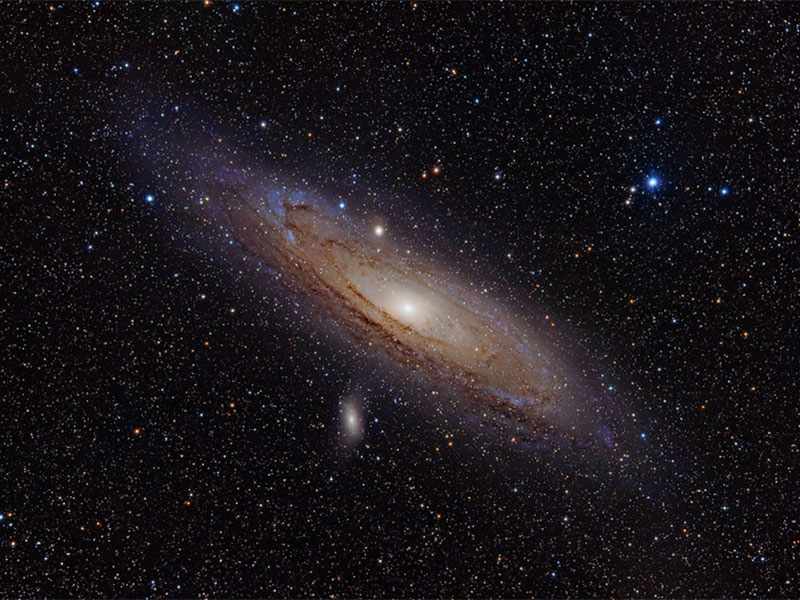
New Live Planetarium Show premieres June 17
Solar System Road Trip
Recommended for all ages
Hop into the Bell Museum’s spaceship and take a tour of our solar system! You might fly through the rings of Saturn, investigate the phases of the Moon, or be the first human to land on Mars! Discover your favorite planet or moon, or even learn what makes a planet a planet in the first place (#sorrynotsorry Pluto).
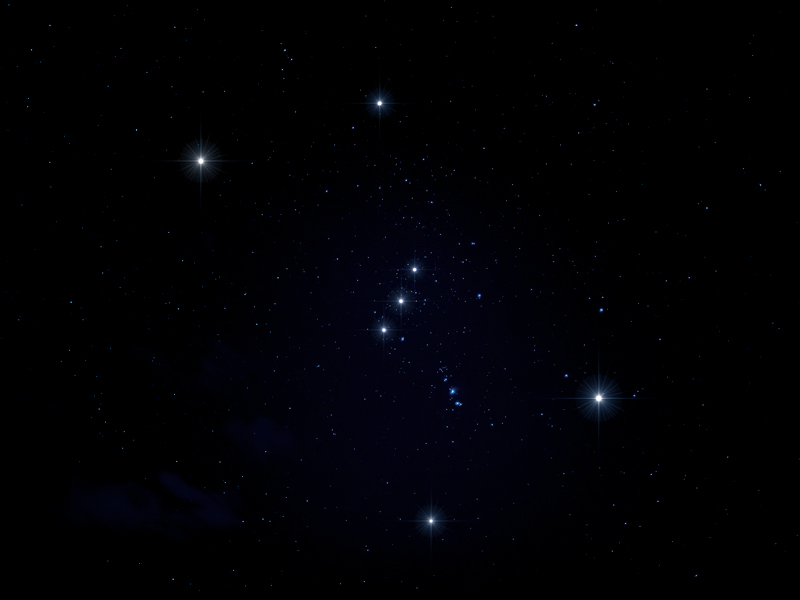
Minnesota Night Skies
Recommended for all ages
Join our planetarium staff as we take a look at the sky above Minnesota, including seasonal constellations, the Moon, and visible planets. There’s something in the sky for everyone.

New recorded planetarium show
Living in Balance: Anishanaabe Star Knowledge
Recommended for ages 8+
This program highlights Anishinaabe (Ojibwe) stories of constellations and moons in relation to contemporary insights about environmental changes. It presents teachings about the stars, moon, Sun, seasons, and how to live a good life, respecting the lands, waters, animals, and all forms of life.
This was produced by the Abrams Planetarium in East Lansing, Michigan. Teachings are shared by Native Skywatchers Carl Gawboy, William Wilson, and Dr. Annette S. Lee, set to art by Elizabeth LaPensée.
It was originally written and recorded in the eastern Anishinaabemowin dialect. It was translated into the western dialect by Dennis Jones and the Bell’s Native American Initiatives Education Specialist Winonah Ojanen (Gaagige Aanakwadikwe), narrated by Dennis Jones, and recorded and audio produced by Bell planetarium staff.