


Solution Studio 2024
Solution Studio is back June 14-September 8, 2024!

Scientists use creativity every day. Meet researchers from the University of Minnesota who are using their imagination to solve real challenges facing people and the planet.
In Solution Studio, you can let your creativity run wild as you work to solve challenges inspired by this cutting edge research. We provide the materials and tools, you bring the big ideas and a willingness to explore, create, experiment, and share!
This year’s Solution Studio highlights research exploring urban nature, from the MSP Long Term Ecological Research program
Featured Research

Analyze Wasp Health
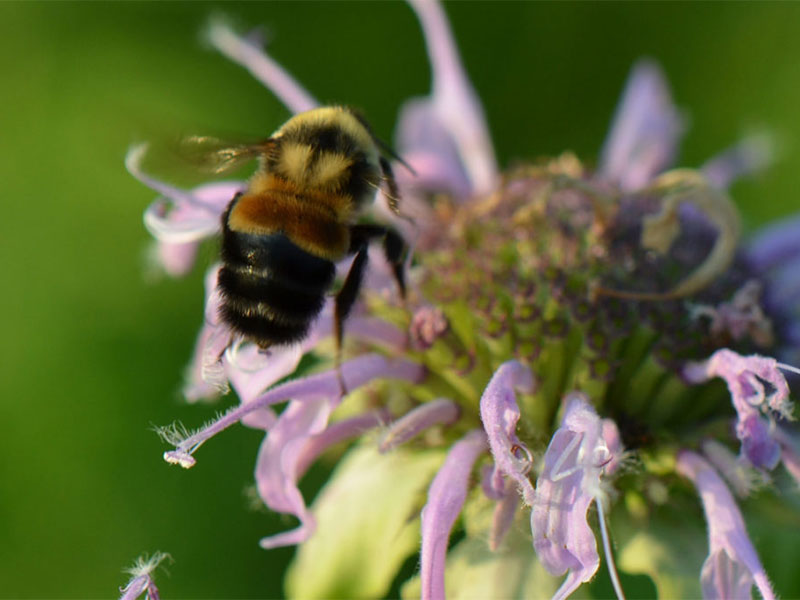
City living can mean special problems for wildlife. Urban soils can hold heavy metals that affect the health of pollinators like wasps. When wasps eat plants and insects that have absorbed toxins, it can impact their health. Poor health can mean their wings are different sizes or shapes that do not match. Researchers like student Anna Lovat analyze wasp health by measuring the symmetry of their wings and graphing their locations to see where toxins may have affected their health.
When you visit the Solution Studio, you can collect a wasp coloring sheet, analyze its wings with mirrors, and graph your findings.
Learn about research on pollinators

Monitor Air Quality with Lichen
In cities, human activity can make for poor air quality. Manufacturing, construction, and emissions all release pollutants that can harm plants, animals, and us. Knowing when air quality is low can help us protect ourselves and other species. Lichen can help! Postdoctoral researcher Natália Mossman Koch studies air pollution by keeping an eye on lichen. She tracks common greenshield lichen, noting changes in its shape, texture, and color over time. She wants to develop an easy, inexpensive way for people to monitor air quality in their communities.
Learn about the difference between lichens on forest trees and city trees, and weave a lichen air monitor yourself.
Learn how lichen can help monitor air quality
 Model Pond Ecosystems
Duckweed is a floating plant that provides food and shelter for many native species in a healthy pond ecosystem. But duckweed can take over when pond nutrients are out of balance. Wind can move duckweed around a pond’s surface, reducing the impact of overgrowth. Researchers are studying how the landscape around ponds impacts their health. By looking for trends across many data sets from different ponds, students like Makenna Tosi can draw conclusions about the impact of wind on duckweed and pond ecology.
Build a model to test how landscapes affect pond plants. Test your model when you let the winds blow, and try again.
 Protect the Watershed
When it rains, debris and pollutants can pour into our lakes and rivers. City neighborhoods may not have room for ponds to catch nutrients and clean stormwater. But we can reduce fertilizer use, pick up dog waste, and control erosion to help. We can also keep leaves and other debris out of the gutter, and out of our water.
Defend the watershed by keeping debris out of storm drains at our foosball-inspired watershed game
Advocacy in Environmental Policies and Practices
Pollinator Lawn Survey
Researcher Kristin Nelson is leading a project to understand preferences around neighborhood lawns and pollinator-friendly options. When you visit the Bell Museum, take a survey comparing three different lawn treatments on our Learning Landscape.
Support generously provided by:
Whitney and Elizabeth MacMillan
MGK
This work is funded by the National Science Foundation Long Term Ecological Research Program (Award # 2045382).


